





Read news
Add bookmark
POPULAR
Oil? Gas? Fertilizer? Just Life.The European Union Intends to Fight Space Wars. Does the European Military Space Project Have Room for Development?Catching Up: Europe’s Path to Strategic Autonomy in the Defense IndustryNATO Not Ready to Fight RussiaChemical Dependence as a Structural Issue for EuropePacifism Gives Way to Voluntary Military Service What Does Germany Need It For?Financing the EU budget: an assessment of five proposals for new resourcesIs the Old World Fearful of the Promised Land? EU Stays Gutless to Act Against IsraelFactories to Be Targeted in a War For Which Europe Is Unprepared
EU military capacity-building is fraught with a number of problems and bottlenecks, as Slovak researcher Miro Sedlák showed in his article – entitled Europe’s Defense Factories: More Urgency Please and posted on the website of the Center for European Policy Analysis.
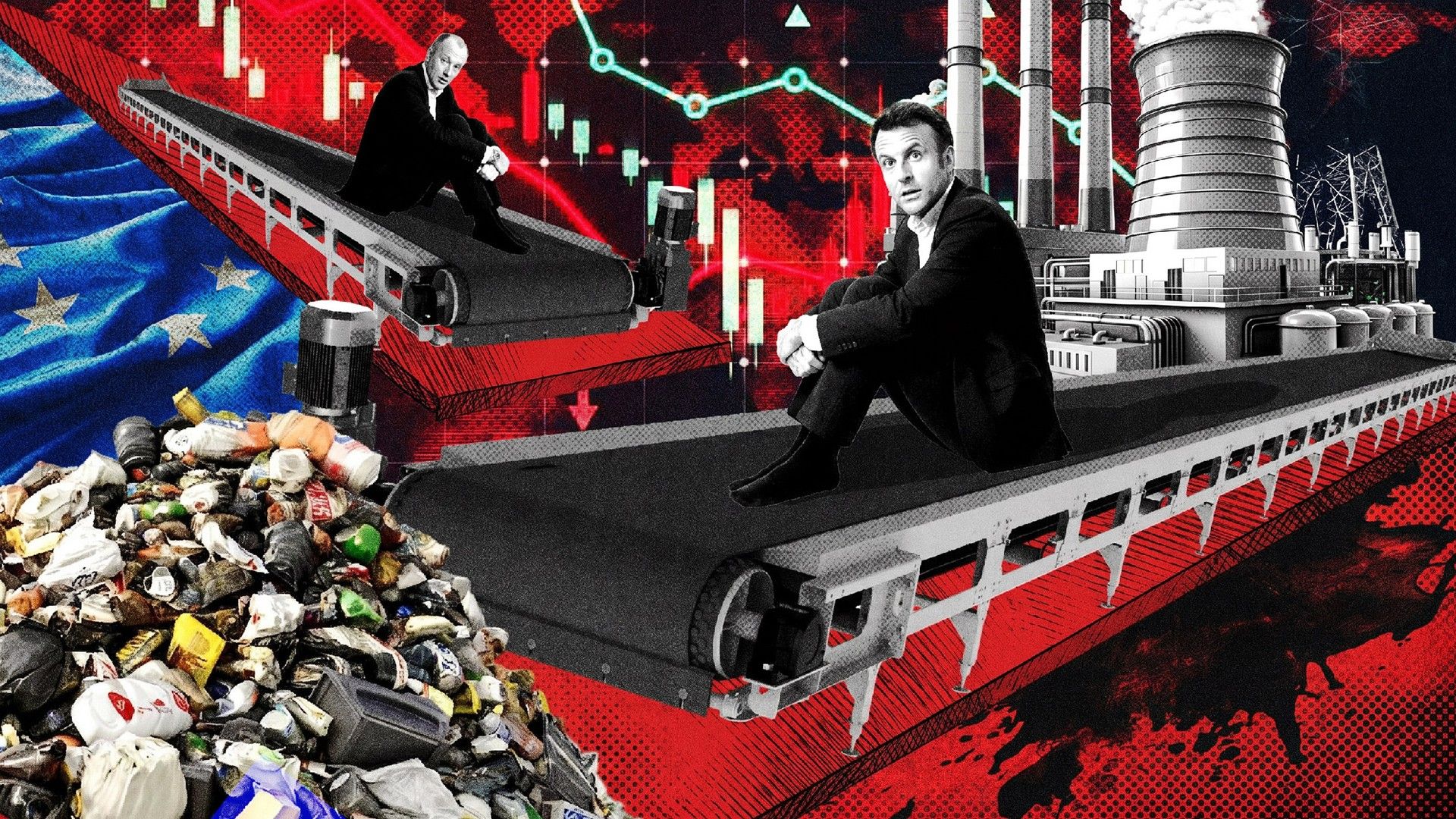
One can identify four sets of issues facing the EU defense industry, associated with: industrial capacity and logistics; international cooperation; general management of the defense industry’s development; and securing the manufacturing facilities.
1. Security Action for Europe (SAFE), a EUR 150 billion facility through which Brussels lends to member States for procurement. Nineteen of the 27 EU States submitted plans, and demand immediately exceeded the budget.
Yet money is not the EU’s greatest constraint; the lack of production capacity is. Even on brownfield sites, the timeline is slow.
The machines may arrive, the workers may be trained, and the shells may be made, but without the logistics to move them and the will to use them, factories will produce boxes, not battlefield effect.
2. Brussels’ eligibility rules cap non-EU components at 35 percent and require design authority to sit inside the EU or an associated country. So the UK, home to BAE Systems, Rolls-Royce, and Thales UK, is not currently eligible for grants. Turkey, the second-largest NATO army and a rising drone and ammunition producer, is also excluded.
The 2026–2027 work program earmarks EUR 296 million to support Ukraine, including joint drone production plants. The intellectual property side remains unresolved, however. Who owns what when an EU-funded Ukrainian design moves into a European production line? Until that is settled, this is a pilot project, not a strategic transformation.
3. Brussels is introducing many sensible measures. What it can’t do, however, is to force capitals to get moving. Nor can it ensure, if the factories are actually built, that Europe will know what to do with them.
The downside scenario writes itself. Undersubscribed calls, procurement structures announced and never formed, and national programs running in parallel and not through Brussels. Together, these would leave Europe’s defense-industrial base where it started: 27 national silos pretending to be one market.
4. The creation of new defense production capacity carries a security threat. Europe’s new EUR 1.5 billion defense industry program has a line item that nobody expected. The factories can now claim EU money to protect themselves from unmanned aerial vehicles (UAVs). Page 10 of the work program, in the first call for energetic components, offers recipients up to EUR 500,000 per project to physically protect production sites.
The line item for drone protection in the work program was not a metaphor. It describes a real expectation that the factories Brussels is now subsidizing will, in their lifetime, be targets in a war Europe is not yet organized to fight.