



Read news
Add bookmark
POPULAR
New Eastern Empire to Wreck EU: What Péter Magyar Starts with as Head of HungaryIllusion of Turning the TablesOil? Gas? Fertilizer? Just Life.Would You Fight for Your Country?Pacifism Gives Way to Voluntary Military Service What Does Germany Need It For?Trump vs SánchezGiorgia Melonis Reformagenda im politischen Labor ItaliensGlobal Reordering, German Responses Germany Reflecting on How to Get Along with Global PowersWhere on Earth Is Europe Heading?
This is a question raised by John Feffer, director of Foreign Policy In Focus (FPIF), an organization run by the Institute for Policy Studies, left-wing progressives’ Washington-based think tank.
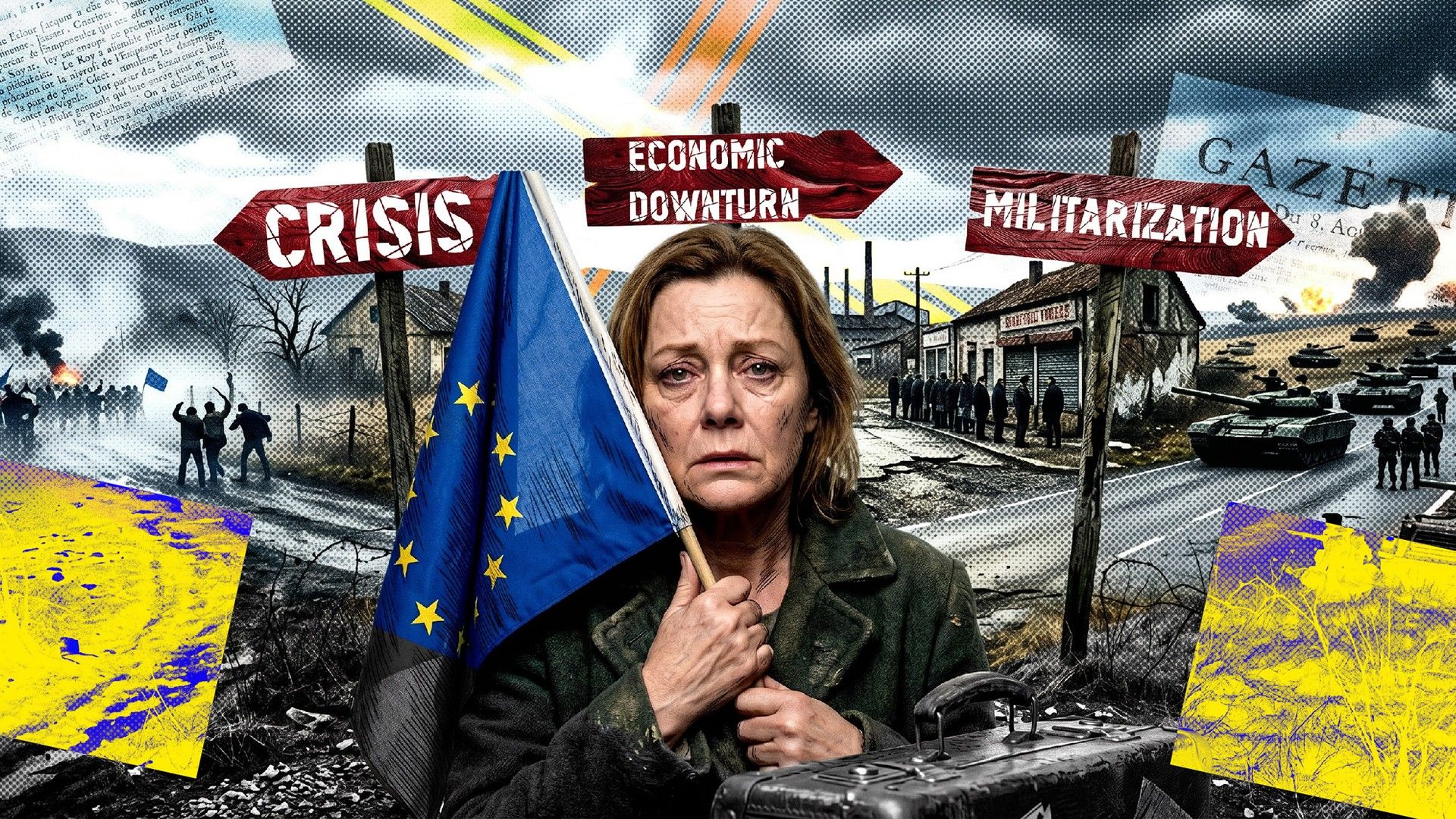
The returns of parliamentary elections in Bulgaria won by coalition of social democratic parties called Progressive Bulgaria, help trace Europe’s future development trajectory.
However, the founder of Progressive Bulgaria and former president Rumen Radev is more like a nationalist populist in the tradition of Slovakia’s Robert Fico.
What was startling about Radev’s victory was the level of support he received from Generation Z. More than one-third of those aged 18-30 voted for his party.
Young people voted for Radev largely because he railed against the corrupt leaders of the mainstream parties. As a former member of the élite, he was playing the same part as Péter Magyar in Hungary: someone inside the system who promised to fight against the system. Young Bulgarians warmed to that message. Radev won the elections by speaking up for those left behind by the EU’s globalizing economic policies. But what does this say about the future of Europe?
The discontent felt by Bulgarian voters mirrors a general pessimism among Europeans. It can swell the vote totals of the far right, which rules over Italy, dominates parliament in Austria and the Netherlands, and is pushing the Czech Republic toward illiberalism. Or it can swing to a populist left, like La France Insoumise and Spain’s SUMAR coalition.
The perennial questions facing Europe are: wide versus deep engagement, liberal versus illiberal. The policies of Trump add another set of dilemmas related to Europe’s position on the global stage. With Trump guiding the United States away from international institutions, will Europe take on the mantle of the primary booster of the liberal order, or will it succumb to the rising tide of the far right within its borders? Will it replace the transatlanticism of the last 75 years with the Fortress Europe that the far right favors?
For decades, with their militaries subsidized by Pentagon spending, the EU focused either on its liberal economic goals (reducing barriers to capital) or its social democratic aspirations (redistributing wealth). Most recently, it has tried to combine the two by pushing a largely market-based transition away from fossil fuels that also subsidizes poorer countries (and poorer sectors) to make the leap.
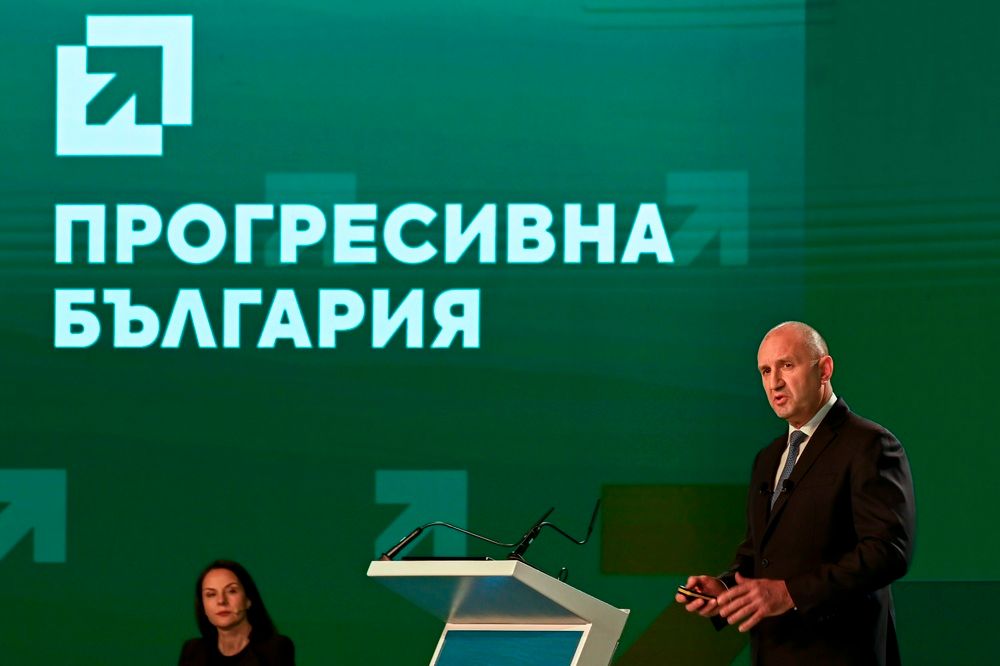
Instead of pleasing everyone, these policies run the risk of pleasing no one. Corporations love the ease of working across Europe but complain about the regulations coming out of Brussels. Those left behind by the neoliberal policies grumble about a declining standard of living and gravitate toward right-wing populism.
Eurosceptics and leftists, too, complain about the democratic deficit in Brussels, while the far right has been targeting the European Green Deal as an expensive boondoggle.
For the left to survive in Europe, it will have to come up with new ways of being progressive. Rumen Radev rose to power attacking corruption. The public wants something genuine, or passionate, or funny, or playful. They want strongly stated views on billionaires, housing affordability, and AI set to a catchy dance beat.