





Read news
Add bookmark
POPULAR
Oil? Gas? Fertilizer? Just Life.The European Union Intends to Fight Space Wars. Does the European Military Space Project Have Room for Development?A Controlled Compression ManifestoEurope Still Needs China: Washington is the Main ThreatGlobal Reordering, German Responses Germany Reflecting on How to Get Along with Global PowersAn Age of Liminality: Contradictions in CommandOld World Growing Even Older What Migration and Pension Expenses Have to Do with ThisThe New Right: Anatomy of a Global Revolution Why the Right Forces are Becoming Increasingly Popular
Mark Leonard, co-founder and director of the European Council on Foreign Relations, has published an article in which he examines the political phenomenon of the ‘new right’. Some believe them to be people nostalgic for the past, but the author concludes it is no longer the case.
Interviews with ‘new right’ thinkers and politicians show them to be strikingly modern and perfect at feeling the spirit of the time. This is quite a contemporary postmodernist force supremely well-adapted to the political, social and intellectual setting of the 2020s.
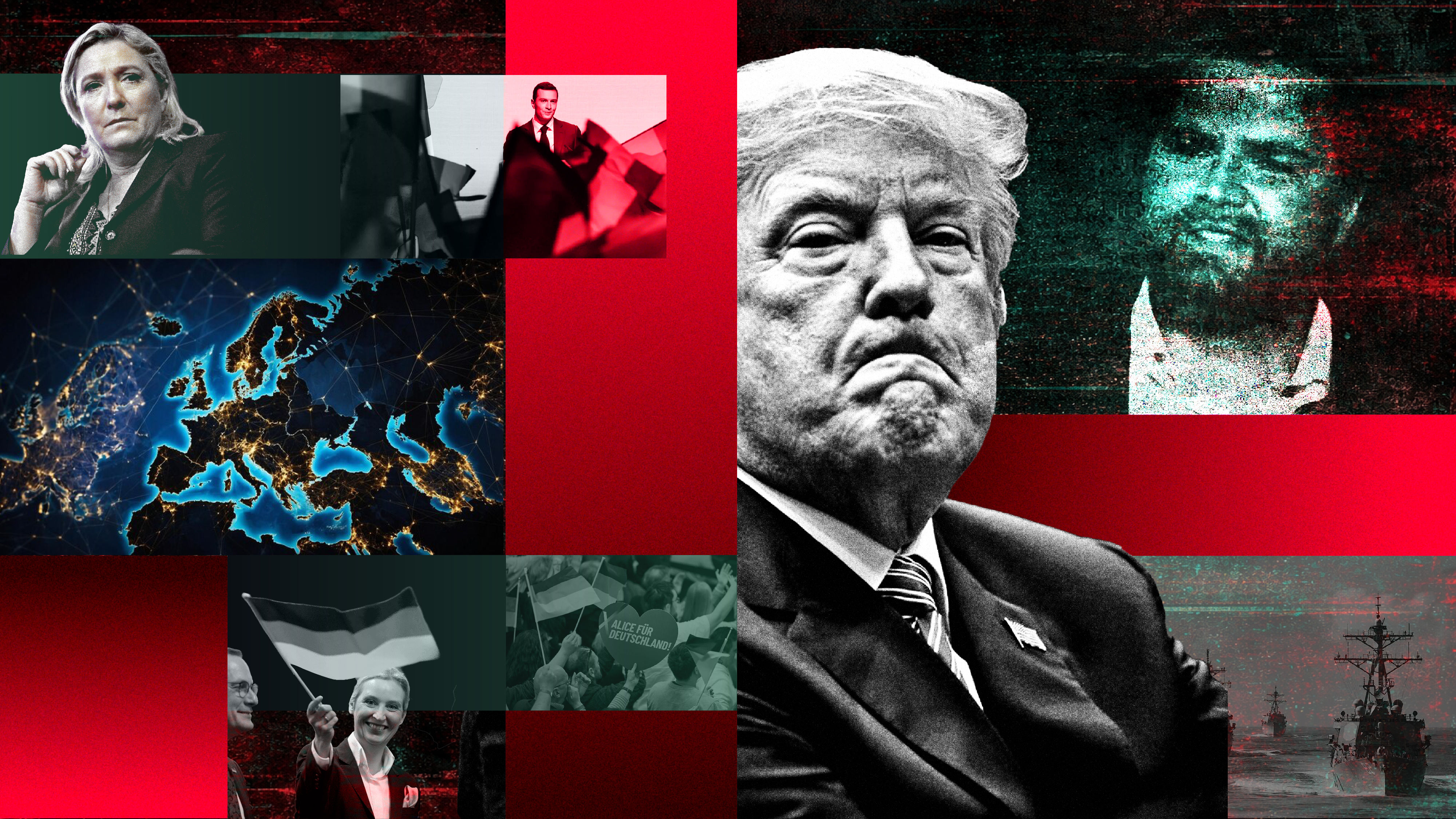
Just like communists have always considered the internal contradictions of capitalism essential to their political project, the ‘new right’ perceive the underlying contradictions of liberalism as their key to power.
The main message of the ‘new right’ is that the world’s profound interdependence created by liberalism has rendered the people helpless in the face of new globalization crises. The successive waves of crisis gave the ‘new right’ a space of opportunity by gradually undermining and destroying the liberal consensus.
For instance, during the financial crisis the governments rescued their banks but cut welfare payments and let people’s homes be repossessed. During the climate crisis they raised the household’s heating bills but allowed the oil companies to continue growing. Migration helped corporations receive exorbitant profits but led to lower wages and higher housing prices for locals. The Western governments united to help Ukraine – at the cost of higher taxes and reduced expenses at home. During the Covid-19 pandemic, many white-collar employees were able to work from home while low-paid service sector workers were forced to risk their lives.
The ‘new right’ exploited this political context successfully to stand out among other political forces, being confident that the sense of it all lay ‘in destroying everything’.
This is illustrated by the first year of Donald Trump’s stay in office. After becoming the head of a superpower, he ignores all the pre-existing rules, procedures, and sometimes even laws. He trampled upon them as he closed the national borders before illegal migrants, disbanded federal agencies and defunded the National Public Radio (NPR). He acted much the same way externally, as he ordered the abduction of the Venezuelan President Maduro and discussed the capture of Greenland openly.
There are many opponents to Trump, but, politically, such steps portray him as a leader who acts to make mainstream politicians simply wring their hands.
The mechanism works the same way in Europe, as exemplified by statements by Marine Le Pen, head of the Rassemblement National, who calls for neglecting European legislation to grant French citizens priority access to housing, employment and benefits, unilateral reduction of France’s contributions to the European budget, and even complete denial of the supremacy of European law.
The epoch of crises has enabled the ‘new right’ to exploit their agility and flexibly adapt to the current events, while the mainstream parties are increasingly awkward and cumbersome.
Crisis political entrepreneurs, of sorts, have thus appeared – to challenge liberalism from perspectives most relevant here and now. Depending on the current moment, they point now to the Euro crisis, now to migration, now to vaccines, now to the climate responses.
Quite obviously, there will be no fewer crises in today’s world – the oil price hike to be triggered by the new Persian Gulf war being just one example. This means that the ‘new right’ will grow on increasingly fertile soil. For now, they are still in opposition in many countries, but we shall see more and more ‘new right’ in the ruling coalitions quite soon. That, in turn, will make the world even more unstable and turbulent.